

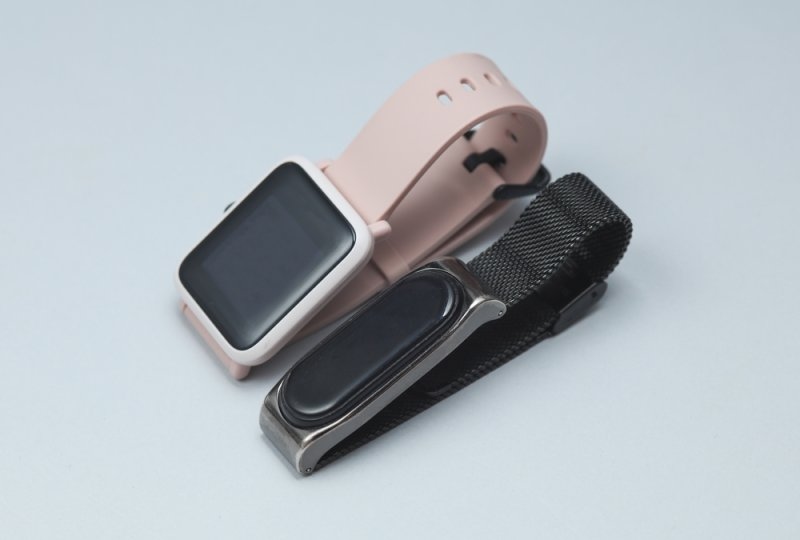
You’re standing in the store, holding two boxes, and both promise better sleep, smarter workouts, and a healthier you. That smartwatch vs fitness tracker dilemma is common, because the two gadgets overlap far more than the packaging admits.
So let’s sort it out in plain language, using real differences in price, comfort, battery, and health features. Once you finish reading, picking between them should feel easy, and you won’t regret the money you spent.
A fitness tracker is a slim band that counts your steps, monitors your heart, and logs how you sleep. Many have tiny screens, and some skip the screen entirely, which keeps them light enough to forget about. Fitbit’s Inspire and Charge lines are classic examples, and plenty of people wear them like a casual rubber bracelet.
A smartwatch goes a step further, because it works like a small computer that talks to your phone all day. You can read texts, answer calls, open apps, and still get your workouts and sleep logged without extra effort. Apple Watch and Samsung Galaxy Watch models are the best known, and they look more like jewellery than gym gear.
The simplest way to see the gap is purpose, since one device tracks health and the other runs your wrist. Take a look at the table, then keep reading for the details that matter before you spend any money.
| Feature | Fitness Tracker | Smartwatch |
| Main purpose | Health and activity tracking | Phone-like tasks plus fitness |
| Battery life | 7 to 14 days | 1 to 5 days |
| Screen | Small or none | Large touchscreen |
| Apps | Very limited | Full app stores |
| GPS | Often uses phone GPS | Usually built in |
| Price | $30 to $150 | $100 to $800+ |
Keep in mind that the line is blurry now, since trackers borrow smart tools and watches borrow health sensors.
Smartwatch features cover a lot of ground, and a few of them can honestly change your daily routine.
If you want names to start with, our guide to the best smartwatch of 2026 lists models worth considering.
Nobody thinks about battery life in the store, yet it becomes the biggest annoyance after the first week. A dead band on your wrist means missing data, and missing data makes the whole purchase feel pointless. So let’s look at each side separately, starting with the one that drinks the most power every single day.
Smartwatch battery life usually lasts one to five days, though bright screens and GPS runs can shorten that quickly. Cellular plans and always-on displays drain it even faster, so a nightly charger habit becomes part of life. Rugged outdoor models can go past a week, but expect a much bigger price tag for that freedom.
Fitness tracker battery life is the clear winner here, since most bands run seven to fourteen days per charge. Simple screens and fewer features sip power, and a few models even push toward a full month. You can sleep with it, travel with it, and mostly forget about the charger, which is a huge relief.
Must Try: Best Smartwatch of 2026: Which Options are Worth Buying?
Smartwatch health tracking has come a long way, and many models now measure heart rate, blood oxygen, and stress. Pricier watches add ECG readings and alerts for irregular rhythms, which sometimes push people to see a doctor early. Still, treat every number as a hint rather than a diagnosis, because only a professional can tell you what’s wrong.
Honestly, this one is close to a tie, since both devices track steps, distance, active minutes, and heart rate. A tracker keeps things simple for casual walkers, while a smartwatch suits people who follow training plans and want maps. Crossover models like the Fitbit Charge 6 and Garmin Forerunner 265 sit nicely in the middle if you can’t decide. On a budget, our guide to the top fitness smartwatches under $200 shows what a little money buys.
Comfort matters more than accuracy at bedtime, because a bulky watch you take off tracks nothing at all. Slim trackers win that fight, and screenless bands and smart rings feel even better against the skin. Smartwatches do record sleep stages well, but charging them daily often means a gap in your overnight data.
Fitness trackers mostly cost between $30 and $150, so they’re easy on the wallet for first-time buyers. Smartwatches begin around $100 and climb past $800 once you add cellular, rugged builds, and premium sensors. Don’t forget the data plan either, since cellular watches add about $10 to $20 every single month to your bills.
Before you decide, a quick pros and cons check can save you from an expensive impulse buy. Read through both lists and circle whatever sounds like your life, because those points will settle the debate quickly. No wearable is perfect, so you’re really choosing which compromises you can live with every single day.
There’s no universal winner, because the better choice depends on how you actually spend your days and nights. Budget, comfort, phone habits, and workout goals should guide you far more than brand names or marketing. The short guide below should help you land on the answer without second-guessing yourself for weeks afterward.
Once you know your budget and habits, the smartwatch vs fitness tracker choice stops feeling so complicated. Pick a tracker for comfort, battery, and savings, or pick a smartwatch for apps, safety, and extra health tools. Whichever one you choose, wear it every day, because consistent data helps far more than any flashy feature.
Also Read: Which Smart Wi-Fi Thermostat Is Best for Your Home in 2026?
Yes, a tracker handles steps, heart rate, sleep, and daily activity reminders nicely. If you don’t need calls, apps, or maps, you’ll save money and enjoy far longer battery life between charges.
Mostly, yes, since it records the same core metrics and adds plenty more. The catch is comfort, because a bulkier watch and daily charging can make overnight sleep tracking a lot harder for some wearers.
Most need a smartphone for setup and syncing through an app. Cellular smartwatches can call and use data on their own, though that freedom comes with a monthly plan around ten to twenty dollars.
Start with a budget fitness tracker, because it costs less and covers the essential metrics. You can always upgrade to a smartwatch later, once you know which features you’d actually use every week.
They’re great for spotting trends in heart rate, sleep, and activity over time. They’re wellness tools rather than diagnostic equipment, so talk with a doctor before acting on anything unusual or worrying.
This content was created by AI